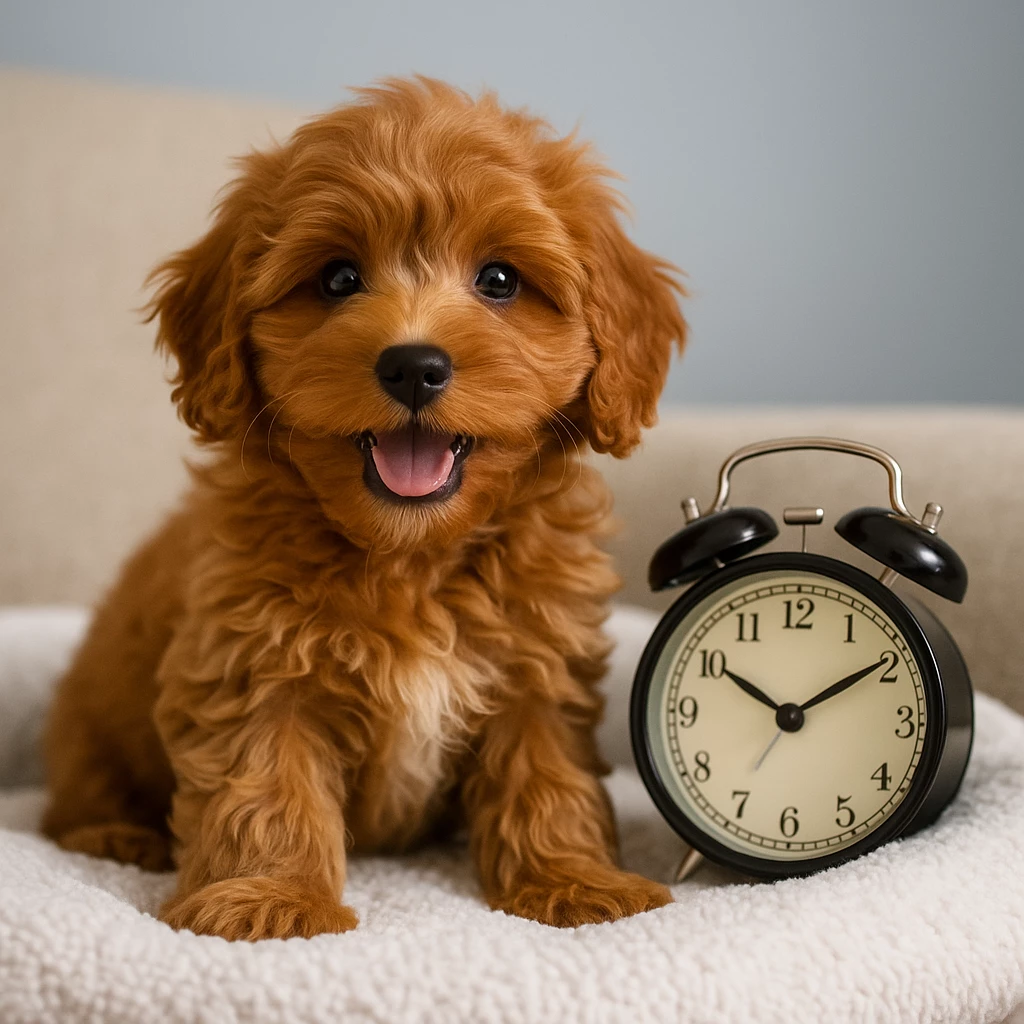
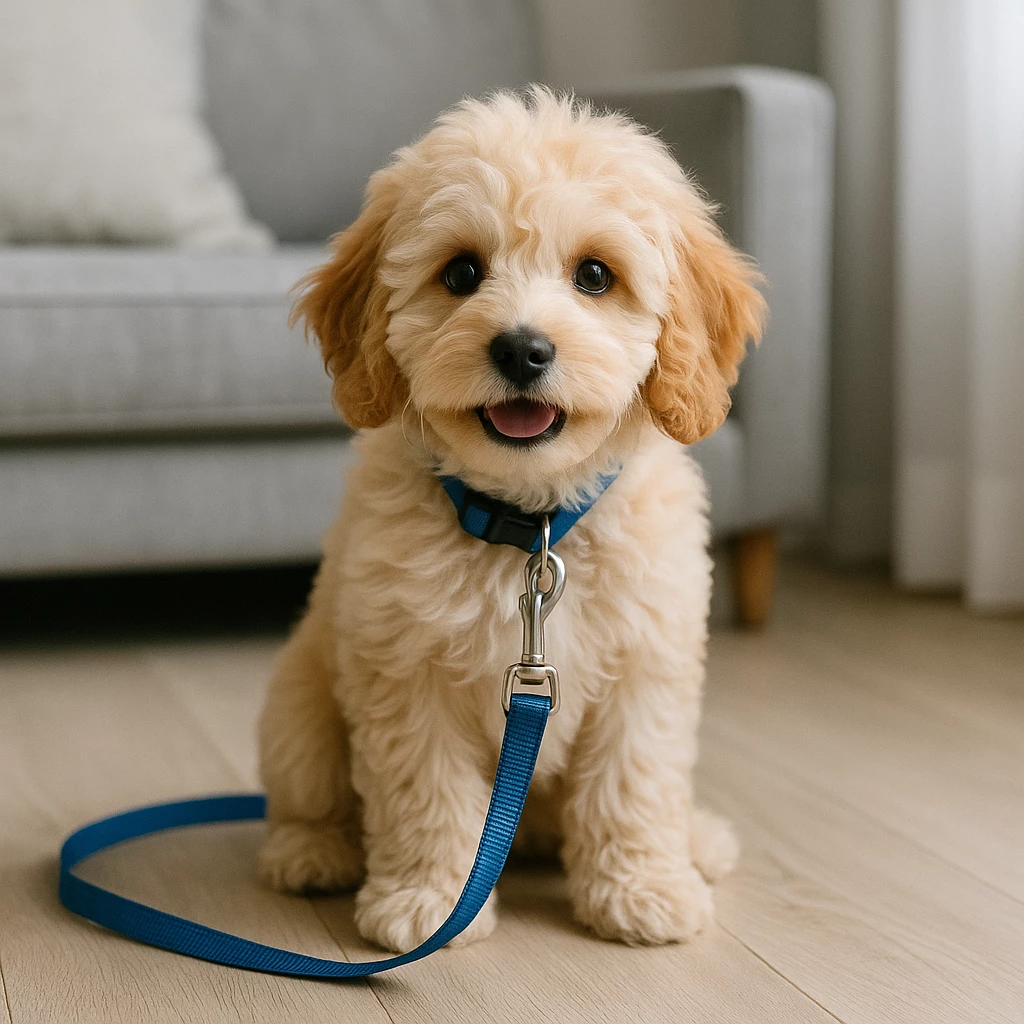
If you're considering a Cavapoo for your family, one of the first questions that comes up is: “What are they actually like to live with every day?” Owners often share similar stories, but each Cavapoo develops their own personality shaped by upbringing, genetics, and the rhythm of the home they join. This guide brings together real-world observations from owners, trainers, and reputable breeders to help first-time dog owners form a grounded, realistic expectation of the breed’s temperament.
For a broader look at daily life with this breed, many owners also enjoy reading: Living With a Cavapoo – What Everyday Life Really Feels Like .
A Cavapoo's temperament isn’t defined by one factor — it’s a combination of:
For example, two puppies from the same litter can grow into noticeably different adults simply because one lived in a busy, active home while the other experienced a quieter environment with more one-on-one attention.
If you're comparing Cavapoo generations, this guide provides a clear overview: Cavapoo Generations Explained (F1, F1B, F2 & Multigen) .
Below are the traits mentioned most frequently in owner groups, social communities, and conversations with trainers. These patterns are widely observed but still vary by individual dog.
A large percentage of owners describe their Cavapoos as “shadow dogs,” following them from room to room — not just for attention, but simply to stay close. One owner put it perfectly:
“If I get up to refill my coffee, my Cavapoo acts like it’s her part-time job to escort me.”
This doesn’t necessarily mean separation issues, but it does mean they tend to thrive in homes where human interaction is part of the daily routine.
For new caregivers, this resource is helpful: How to Safely Buy a Cavapoo Puppy (Beginner’s Checklist) .
Many Cavapoos show affection openly — leaning into hands, curling beside you during quiet moments, or resting a paw on your arm. Others express affection by bringing toys, nudging for play, or gently following your movements.
Owners of both male and female Cavapoos report similar behaviors, though some notice slight personality differences. In practice, upbringing and environment matter more than sex alone.
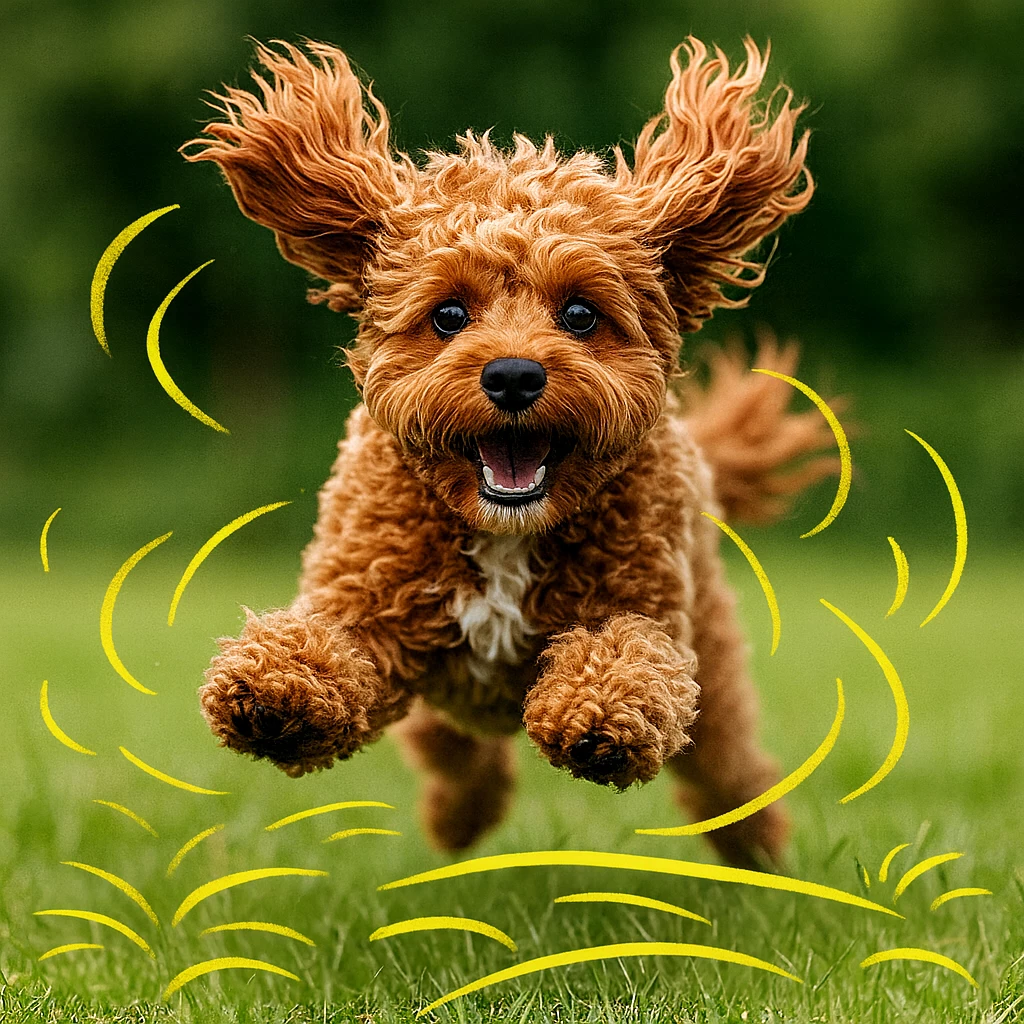
Cavapoos tend to balance calm companionship with short periods of enthusiasm. Many puppies (and even some adults) experience energetic “zoomies,” especially in the evenings.
One owner shared:
“Ours gets the zoomies right after dinner. It’s like she has a very specific appointment with chaos.”
More on this normal behavior here: Why Cavapoos Get The Zoomies — And When It’s Normal .
Their eagerness to connect with people, paired with Poodle intelligence, makes Cavapoos generally responsive to training. Short, encouraging sessions often work better than long ones, especially for puppies with shorter attention spans.
If your puppy seems uninterested in treats during training (a common concern), this article helps: How to Train a Cavapoo Puppy That Ignores Treats .
Owners in apartments, suburban homes, and even busy cities report success with this breed. What matters more than space is routine — predictable walks, structured downtime, and consistent engagement.
A detailed breakdown of physical and mental needs: Cavapoo Exercise Needs – A Practical Guide .
Breeders consistently mention that the mother (dam) often influences early emotional stability, while the father (sire) can affect confidence and sociability.
Examples owners have shared:
For a structured breakdown: Cavapoo Generations Explained (F1, F1B, F2 & Multigen) .
Owners often compare notes on subtle differences:
But overall, upbringing has a much stronger influence than sex. Watching how a particular puppy interacts — curious, cautious, bold, gentle — tells you far more than whether they’re a boy or girl.
Most Cavapoos do well with gentle children and well-socialized pets. Their soft temperament tends to fit nicely into family environments.
One family shared:
“Our Cavapoo matched our toddler’s energy surprisingly well — gentle when he's calm, goofy when he wants to play.”
Introductions to other pets should be gradual, especially with cats or older dogs who prefer personal space.
Some do, some don’t. Many bark to alert or request attention, but training and household routines play a significant role in shaping this behavior over time.
Some may struggle at first because they bond deeply. Gradual independence training, predictable departures and returns, and calm routines can help many puppies adjust. More detail here: Cavapoo Separation Anxiety – Practical Guide .
Most learn well with a consistent schedule, frequent outdoor breaks, and rewards for success. This step-by-step resource is especially useful for new owners: How to Potty Train a Cavapoo Puppy .
Trainers and breeders emphasize four key pillars for emotional wellbeing:
Controlled exposure to new sounds, surfaces, people, and environments helps build confidence and reduces the likelihood of fear-based reactions later.
Routine helps puppies feel secure. Regular times for meals, walks, play, and rest make it easier for them to understand what to expect from their day.
Cavapoos generally respond best to encouragement. Rewarding the behaviors you want (with praise, food, or play) tends to be more effective than focusing on corrections.
Puzzle feeders, scent games, training exercises, and gentle challenges help keep their minds engaged and prevent boredom.
For safe management and training indoors, many owners find this helpful: How to Safely Use a House Line for Your Cavapoo Puppy .
Many beginning owners choose this breed because they appreciate:
If you're comparing breeders or evaluating puppy ads, this guide is especially helpful: How to Find a Reputable Cavapoo Breeder (Red Flags & Green Flags) .
Most Cavapoo owners describe their dogs as affectionate, expressive companions who naturally tune into the rhythm of the household. While individual puppies vary, the blend of Cavalier calmness and Poodle brightness creates a temperament many first-time owners find deeply rewarding.
As you continue learning about the breed, consider exploring these helpful guides: