Before you clean another mess from Otto, read this first. Your 17-week-old Cavapoo, Otto, is adorable, but potty training can be challenging. Indoor accidents can be frustrating, especially when you are home all day. In this detailed guide, we will explore why Otto is peeing and pooping indoors, and how you can fix it. We will also cover training tips, schedules, and prevention methods to keep the mess outside and ensure a cleaner, happier home.
Cavapoos, a cross between a Cavalier King Charles Spaniel and a Poodle, are intelligent and eager to please. However, they need consistent and structured training to succeed. At 17 weeks, Otto’s bladder and bowel control are still developing. Puppies cannot hold it for long periods, even with hourly outings. Excitement, distractions, or incomplete training can easily lead to accidents. As Otto reaches four months, you may also notice marking behavior starting to appear.
Missed cues, inconsistent schedules, or stress can trigger mishaps. Being home all day is helpful, but even short lapses in supervision can make a difference. Otto’s success in his crate at night shows progress, but potty training still requires patience, structure, and a step-by-step approach.
Identifying the reasons behind Otto’s accidents is the first step in solving the issue. Even with regular trips outside, mishaps can happen between outings. Common indicators include sniffing, circling, or suddenly squatting. Excitement from playtime or interaction with children may trigger unexpected peeing. Pooping indoors can be related to poor timing, diet changes, or stress.
Environmental stressors—like loud noises, new visitors, or rearranged furniture—can also contribute. Giving Otto too much freedom too soon in areas like the family room or laundry room may confuse him about boundaries. At 17 weeks, occasional setbacks are common, but careful observation can prevent many accidents.
By following this checklist, you can identify the most common triggers and work on prevention strategies that match your Cavapoo’s needs.
Potty training a Cavapoo can take anywhere from 4–8 weeks with consistent effort. Most puppies develop full bladder control between 6 and 8 months. Smaller Toy Cavapoos often take longer because of their tiny bladders, while Mini Cavapoos may progress slightly faster. Otto’s nighttime crate success is a sign he is on the right path.
Delays can happen if routines are inconsistent or cues are missed. Remember that every dog learns at their own pace, so patience is key.
Cavapoos have small bladders and a sensitive disposition, which can make potty training more challenging. This mix inherits high intelligence from the Poodle, making them quick learners, but also the gentle, sometimes stubborn nature of the Cavalier, which requires extra patience. At 17 weeks, Otto’s bladder capacity is around 2–3 hours at most. Distractions—especially from children—can easily disrupt his focus.
Inconsistent signals from owners or incomplete training can confuse your Cavapoo. Clear rules, constant supervision, and timely rewards are essential to building lasting habits.
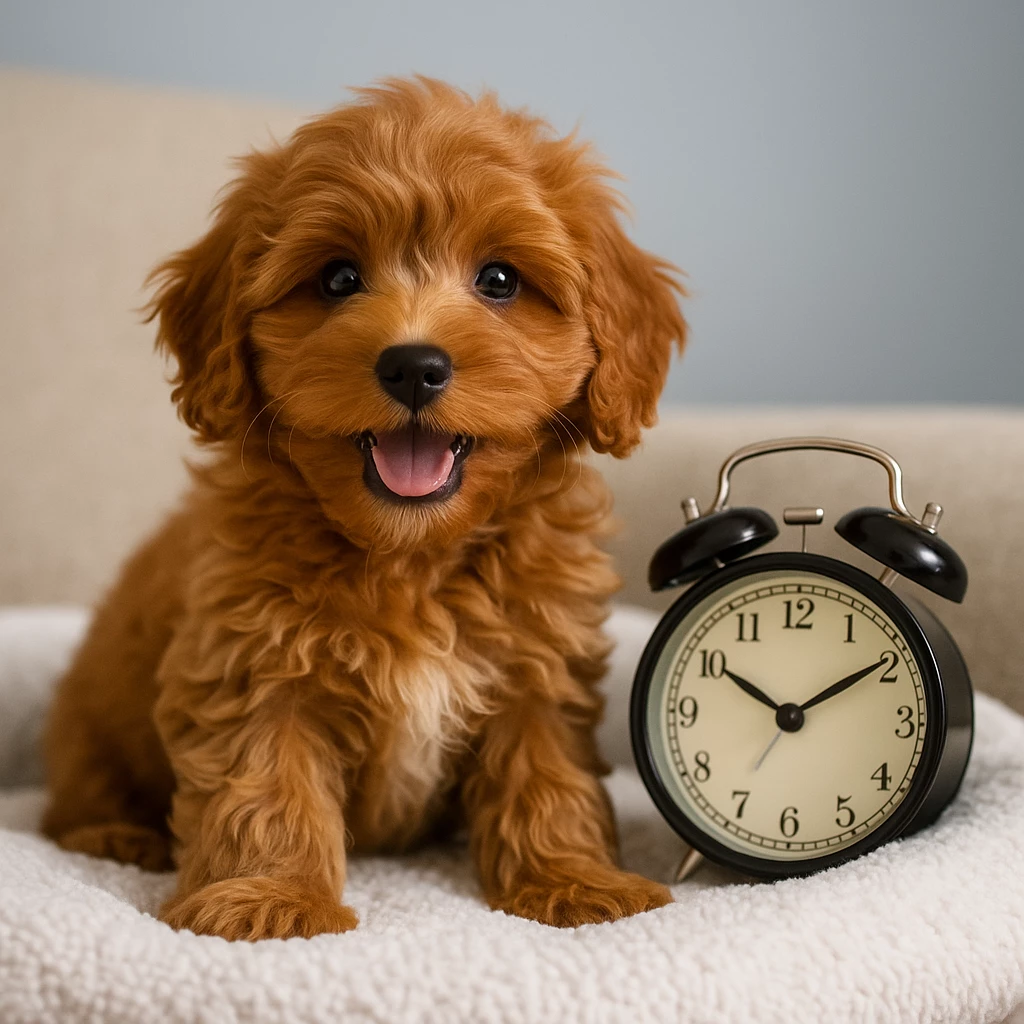
Hourly outings are a good start, but active puppies often need to go even more frequently. Try taking Otto out every 45 minutes during active play hours. Always bring him outside within 5–10 minutes after eating, drinking, waking from a nap, or finishing play. If you notice sniffing or circling, take immediate action. Reward success outdoors with treats and praise.
Adding a late-night potty break around 10–11 p.m. can prevent early morning messes. Crate him during short absences rather than leaving him in a larger, unsupervised area.
Following this structure can drastically reduce the frequency of accidents and reinforce good habits.
Crate training is one of the most effective tools for house training. Otto’s success overnight shows the method works for him. Use a crate that is 24–30 inches in size for short unsupervised periods. Dogs naturally avoid soiling their sleeping space, which makes the crate a great aid in building bladder control.
Make the crate a comfortable and safe space with soft bedding and favorite toys. Keep daytime crate time to 1–2 hours to avoid stress. If Otto soils the crate, double-check the size, cleanliness, and how long he has been inside.
Even when you are home, constant supervision is necessary. In shared family spaces, keep your attention on Otto. If you see signs that he needs to go, redirect him to the designated potty area immediately. Baby gates can help restrict access to certain rooms, but they are no substitute for active watching.
When you can’t supervise, crate your puppy instead of allowing free roaming. Consistent monitoring helps reinforce positive potty habits.
A balanced, consistent diet is essential for predictable potty patterns. Feed high-quality small-breed puppy food three times daily—around 7 a.m., 1 p.m., and 7 p.m. This schedule will help you predict when Otto will need to go. Take him outside 15–30 minutes after each meal. Avoid human food or excessive treats that could cause digestive upset.
Always provide fresh water, but reduce access an hour before bedtime or crating to help prevent nighttime accidents.
A Trainer’s Tip: "The biggest mistake owners make is punishing a puppy for an accident. This only creates fear. Instead, interrupt the act with a calm ‘Oops!’, immediately take them outside, and then praise them enthusiastically when they finish in the right spot. Positive reinforcement is everything."
These extra measures give your Cavapoo more chances to succeed and reduce your stress in the process.
If Otto has an accident indoors, thorough cleaning is crucial. Use enzymatic cleaners to completely remove odor molecules. Avoid ammonia-based products, as they mimic the smell of urine and may encourage repeat behavior. Regularly wash bedding and any fabrics your Cavapoo uses.
A scent-free environment helps reinforce the idea that indoors is not for potty time.
If accidents continue beyond 4–6 weeks of structured training, consult a professional trainer or veterinarian. Persistent accidents could also be a sign of a medical issue, such as a urinary tract infection or digestive disorder.
A professional can tailor a training plan to your dog’s needs and help you overcome stubborn challenges.
Most Cavapoos achieve reliable potty habits by 6–8 months. With a consistent schedule, crate use, and plenty of praise, you can expect a major improvement in 4–8 weeks.
Your patience and persistence will pay off with a cleaner home and a happier, more confident Cavapoo.
Absolutely. Ending indoor accidents makes life easier for you and more comfortable for your dog. Consistent routines, crate use, and positive reinforcement create lasting habits. With commitment, your Cavapoo will thrive and your bond will grow stronger.