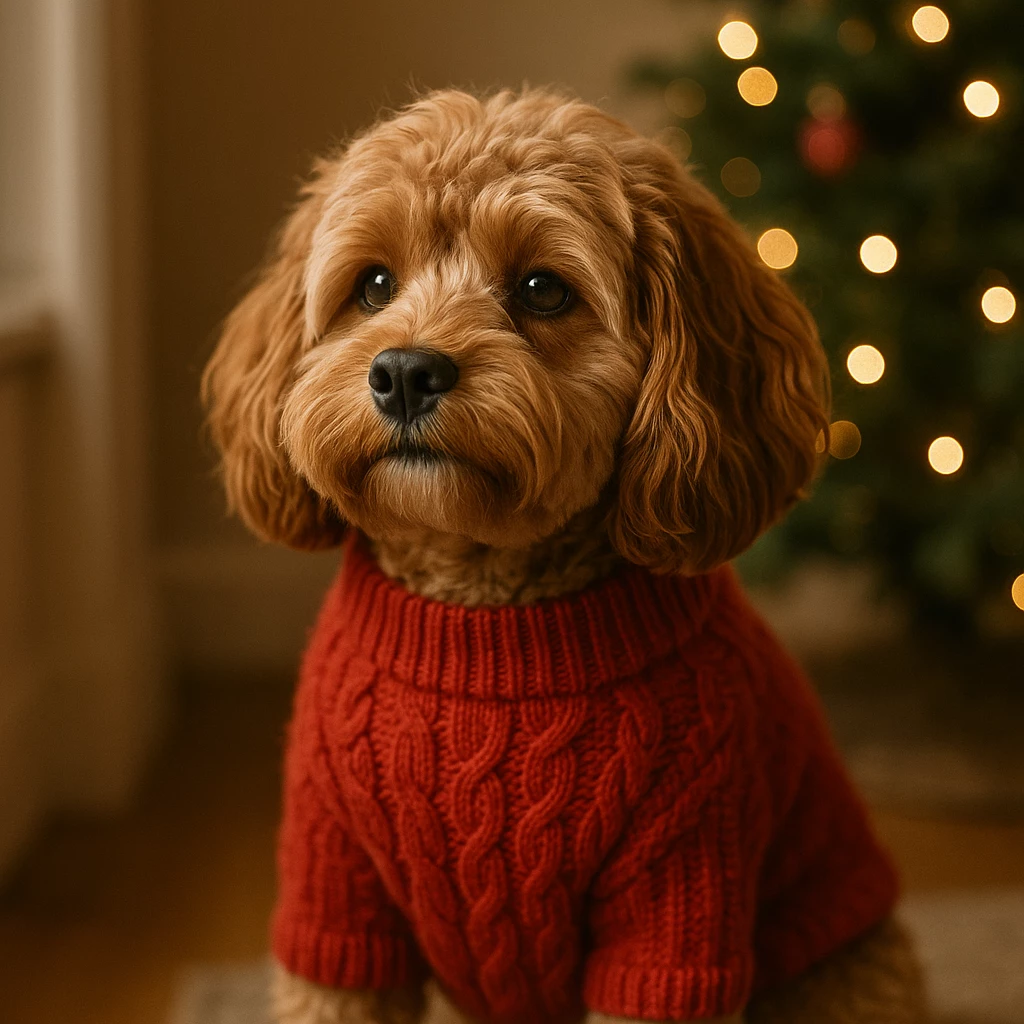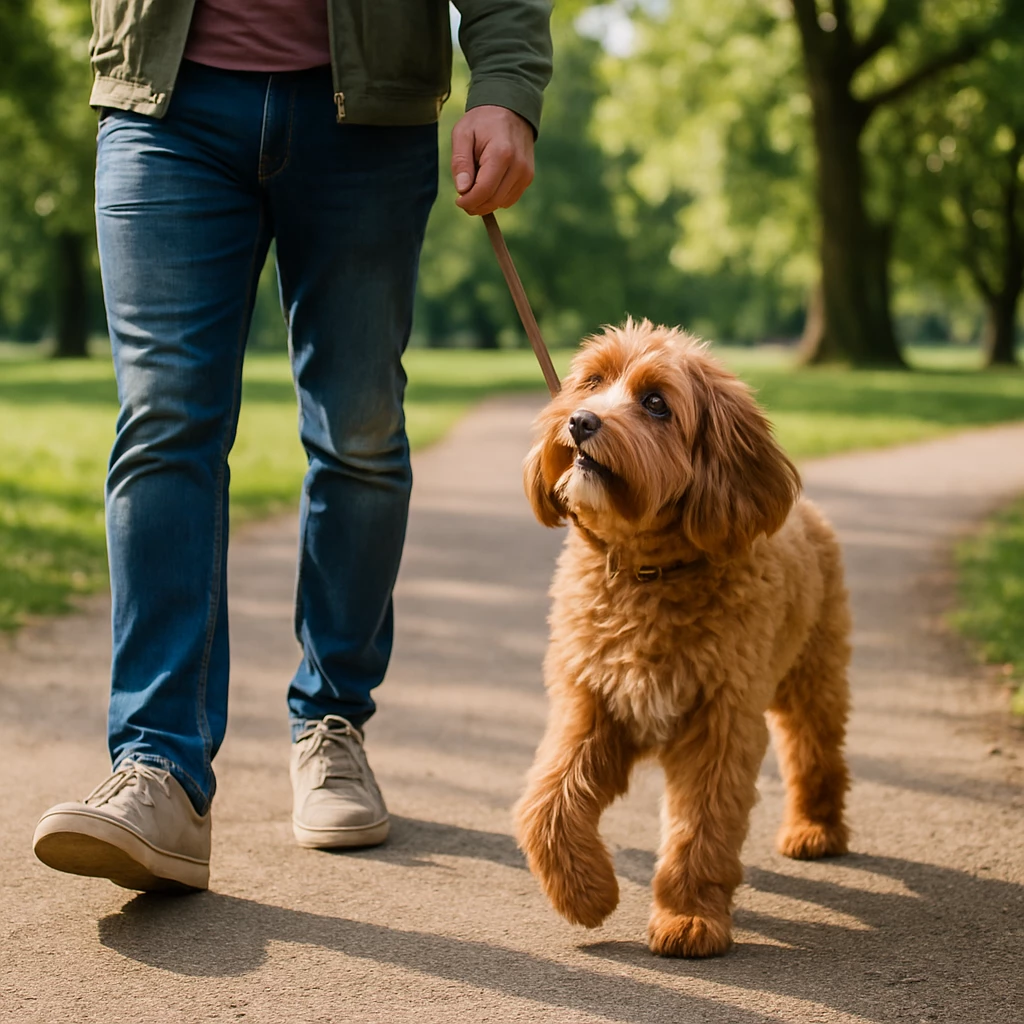
People often assume that because Cavapoos are small and gentle, their exercise needs must be minimal. In practice, these dogs stay balanced through a mix of steady movement, simple structure, and short mental challenges that match their temperament. When those elements are in place, their behavior at home changes quickly — they rest more easily, listen better, and show more confidence outdoors.
As a trainer, I've seen this pattern repeat many times. Understanding how much exercise a Cavapoo needs is not only about minutes per day. It's about noticing how the dog responds to stimulation, both physical and mental, and building a predictable rhythm that fits their natural energy. Cavapoos don't need intense workouts; they need thoughtful, steady engagement.
This guide covers daily activity requirements, age-specific needs, indoor and outdoor exercise ideas, and clear signs that a Cavapoo is under-exercised or, in some cases, pushed a bit too far.
Most adult Cavapoos feel their best with about 45–60 minutes of moderate activity per day. The timing matters less than the structure. Many dogs benefit from a calmer morning walk, a more purposeful evening session, and a short mental exercise in the middle of the day.
This breed combines curiosity from the Poodle side with the softer, more sensitive nature of the Cavalier. Because of that, their daily exercise requirements focus more on rhythm than intensity. Even a simple walk — steady pace, space to explore, and a few moments of direction — can be far more effective than one long, unfocused outing.
Puppies bring a lot of enthusiasm, but their bodies are still developing. A helpful guideline is five minutes of structured walking per month of age. A five-month-old Cavapoo puppy, for example, should stay within about 25 minutes per day, split into smaller sessions.
Beyond that, focus on gentle activities: soft play on stable surfaces, early scent games, and simple obedience foundations. These short sessions help puppies learn how to manage excitement and stay connected to their handler.
High jumps, long stair sessions, and extended running aren't appropriate at this stage.
Adult Cavapoos usually settle well into a routine with two walks per day plus a short indoor activity. Some days can be slower with more sniffing; other days can involve a bit more pace or a few small training moments. Consistency matters most — it gives the dog a clear idea of what to expect, which makes them more confident.
Purposeful engagement helps a lot: brief pauses, guided turns, and controlled sniff breaks keep the dog focused without making the walk overly strict.
Senior Cavapoos often remain interested in movement, but their stamina changes. Shorter, more frequent walks work best for them. Pay attention to how they carry themselves. If they slow down, seem stiff, or hesitate to continue, ease the pace and shorten the outing.
Cavapoos don't need complex activities to stay fulfilled. They do well with simple, intentional moments throughout the day. A steady walk, a short scent game, or a few minutes of indoor play is often enough when done consistently.
Most owners rotate between a few natural options: relaxed walks, light ball play, short scent challenges, or brief obedience refreshers.
A typical Cavapoo walk lasts 20–30 minutes. Some dogs prefer a slower pace with longer sniffing; others enjoy a bit more movement. The key is engagement. If the dog moves willingly, explores with interest, and stays connected to you, the pace is right.
When a Cavapoo begins to lose focus or pause repeatedly without clear interest in the environment, it's usually time to wrap up the walk.
Cavapoos show their needs clearly. When under-exercised, they often display patterns such as:
If you notice several of these signs together, the exercise routine likely needs adjustment.
Yes, overexercising happens more easily than many owners think, especially with puppies or seniors. Adults can also be pushed too far on busy or very active days.
Common signs of overexertion include:
A predictable rhythm usually stabilizes Cavapoo behavior more effectively than trying to increase total minutes of exercise. Here's a realistic daily example many owners follow:
| Time of Day | Activity | Notes |
|---|---|---|
| Morning | 20–25 minute walk | Steady pace with calm sniffing time. |
| Mid-day | 5–10 minute mental exercise | Puzzle feeder, scent task, or short training. |
| Evening | 20–30 minute walk | Slightly more active; guided sniffing helps focus. |
| Late evening | Quiet interaction | Short settling routine or gentle play. |
A Cavapoo doesn't need a big collection of gear. A well-fitting harness, a lightweight ball, a tug toy, and one or two good enrichment tools are usually enough. What keeps the dog interested is rotation, not quantity.
Specialists at the Cavapoo Puppy Dog marketplace often point out that mental work is just as important as physical exercise. Even five minutes of structured scent activity can noticeably improve a Cavapoo's evening behavior.
They also suggest treating every walk as a purposeful moment rather than a task. Allowing structured sniffing during the first part of the walk often reduces pulling and helps the dog settle emotionally for the rest of the outing.
Two walks per day meet the needs of most adult Cavapoos, especially when paired with a little mental work.
Short runs can be fine, but long distances usually place too much strain on this breed.
Puzzle toys, scent-based games, and quick obedience sessions work very well indoors.
Cavapoos are moderate-energy dogs. They rely on consistent daily activity to stay calm and well-balanced.