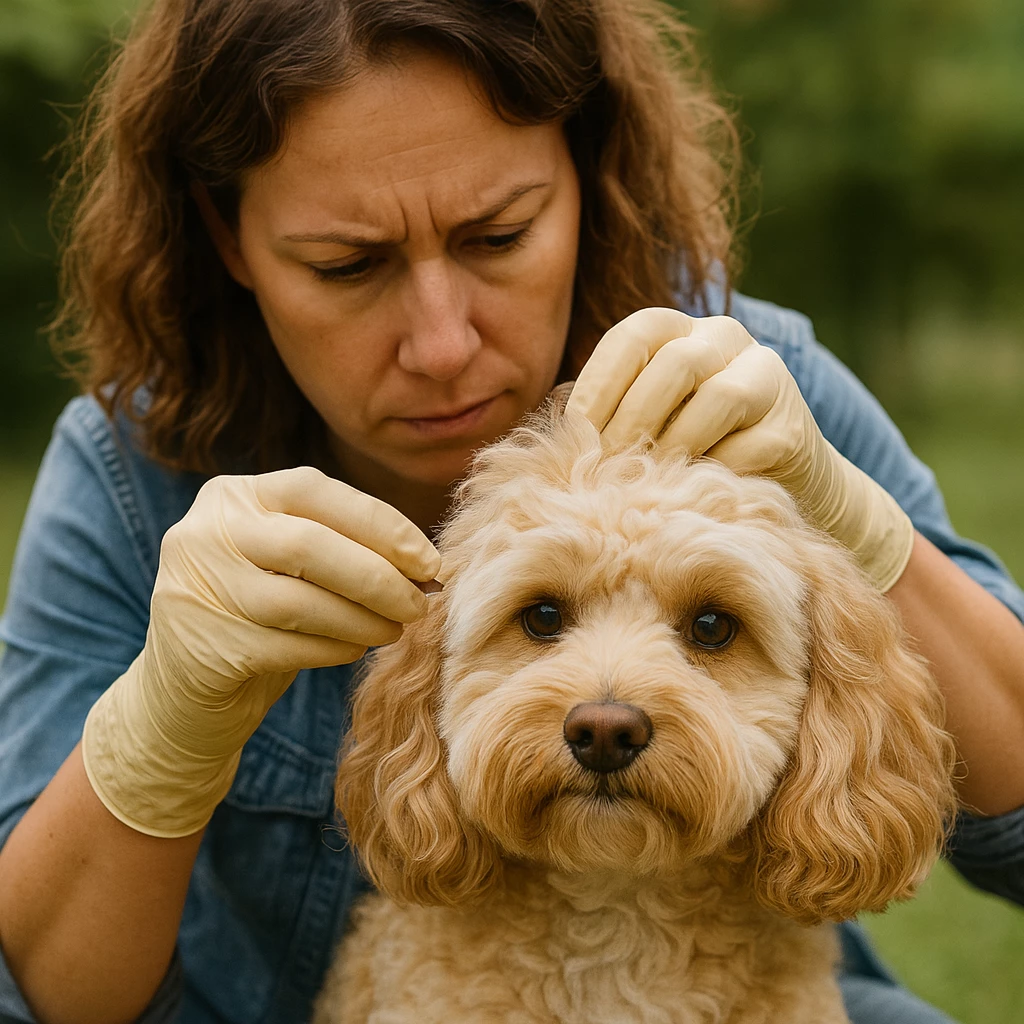
Wondering when to neuter your adorable Cavapoo boy? Neutering is a big step to keep your furry buddy healthy, calm, and easy to live with. This complete guide covers the best timing, benefits, and possible risks of Cavapoo neutering. You will learn how neutering impacts growth, size, temperament, and long-term health. Vet tips here will help you make the perfect choice for your Cavapoo boy.
Neutering removes the testicles and stops the hormones driving mating and marking. This change brings important health and behavior benefits for your Cavapoo. It greatly reduces risks of testicular cancer and serious prostate issues. It also calms unwanted behaviors such as humping, roaming, and aggression in some males. Unneutered Cavapoos may mark furniture, chase females in heat, or escape to find mates. Neutering can make home life calmer and cleaner for you both.
A Vet’s Perspective: "Neutering is one of the most responsible decisions a pet owner can make. From a health standpoint, the benefits—especially cancer prevention—are undeniable. We work with each owner to find the perfect timing for their individual dog."
The surgery does involve recovery and small risks, so you need to think it over. The right timing matters for Cavapoo growth, health, and behavior. Choosing the right age maximizes benefits and keeps possible downsides very low. Professional veterinary advice ensures your decision is based on your Cavapoo’s exact needs.
Neutering can influence how your Cavapoo boy develops physically. Early neutering, before six months, might slow the closure of bone growth plates. Lower testosterone can make him slightly taller and leaner as an adult. Testosterone helps guide bone and muscle development in young male Cavapoos. Early neuter could add about half an inch to his height.
Neutering later, around 12–18 months, allows bones to fully develop. This often creates a sturdier, stockier body structure. While timing does not drastically change final size, it can shift proportions. Toy Cavapoos in the 10–15 pound range often stay leaner if neutered early. Mini Cavapoos in the 15–25 pound range may appear more solid if neutered later. Always consult your vet when planning surgery around growth stages.
Many veterinarians recommend neutering between 6–12 months for small breeds like the Cavapoo. This timeline aligns with guidance from major animal health organizations like the American Veterinary Medical Association (AVMA). Cavapoos usually reach puberty between six and nine months. Neutering before puberty, near six months, maximizes certain health benefits. This includes removing the risk of testicular cancer and lowering prostate problems later. Waiting until 12 months allows more complete bone and muscle development.
Because Cavapoos are small, you don’t need the long delays larger breeds require. Toy Cavapoos usually do well with neutering between six and nine months. Mini Cavapoos often suit a slightly later window of nine to twelve months. Your vet will consider size, body condition, and health to give exact timing advice. The goal is balancing health protection with proper growth.
Neutering offers lasting benefits that improve quality of life for both you and your dog:
These gains make daily life cleaner, easier, and safer. You avoid the stress of unwanted behaviors and health emergencies tied to hormones.
Neutering is generally safe, but all surgeries carry small risks. Anesthesia reactions or slower recovery can occur, though rarely. Early neutering may slightly raise the risk of joint issues in some dogs. Hip dysplasia is uncommon in Cavapoos but still possible. In rare cases, early neuter may raise urinary health concerns.
After surgery, your Cavapoo will need 7–14 days of rest with no jumping. Keep an eye on the incision for swelling, redness, or discharge. Weight gain is possible if diet and exercise are not adjusted afterward. Neutering slows metabolism, so portion control becomes more important. Following vet recovery instructions reduces risks and ensures smooth healing.
Preparation helps your Cavapoo recover faster and with less stress. Schedule a pre-surgery exam to check overall health. Follow your vet’s fasting instructions, usually 8–12 hours without food before surgery. Set up a quiet, warm recovery space with a soft bed. A crate is ideal for managing recovery, ensuring your dog rests and doesn't feel anxious, a topic we cover in our guide to stopping early waking.
After surgery, a cone or recovery suit prevents licking the incision. Use them for 10–14 days as recommended. Follow the prescribed pain medication schedule for comfort. Keep your Cavapoo from running, jumping, or climbing to avoid strain. Plan vet rechecks to confirm proper healing.
Misunderstandings can make neutering decisions harder. Let’s clear up common myths:
Clear facts help owners make confident choices.
For most Cavapoo boys, neutering is a lifelong gift for health and happiness. It reduces cancer risks, improves daily behavior, and helps prevent overpopulation. The ideal timing is between six and twelve months, depending on size and health. Toy Cavapoos usually suit earlier dates, while Minis may benefit from waiting slightly longer. Consider the full range of benefits, possible risks, and lifestyle factors before deciding.